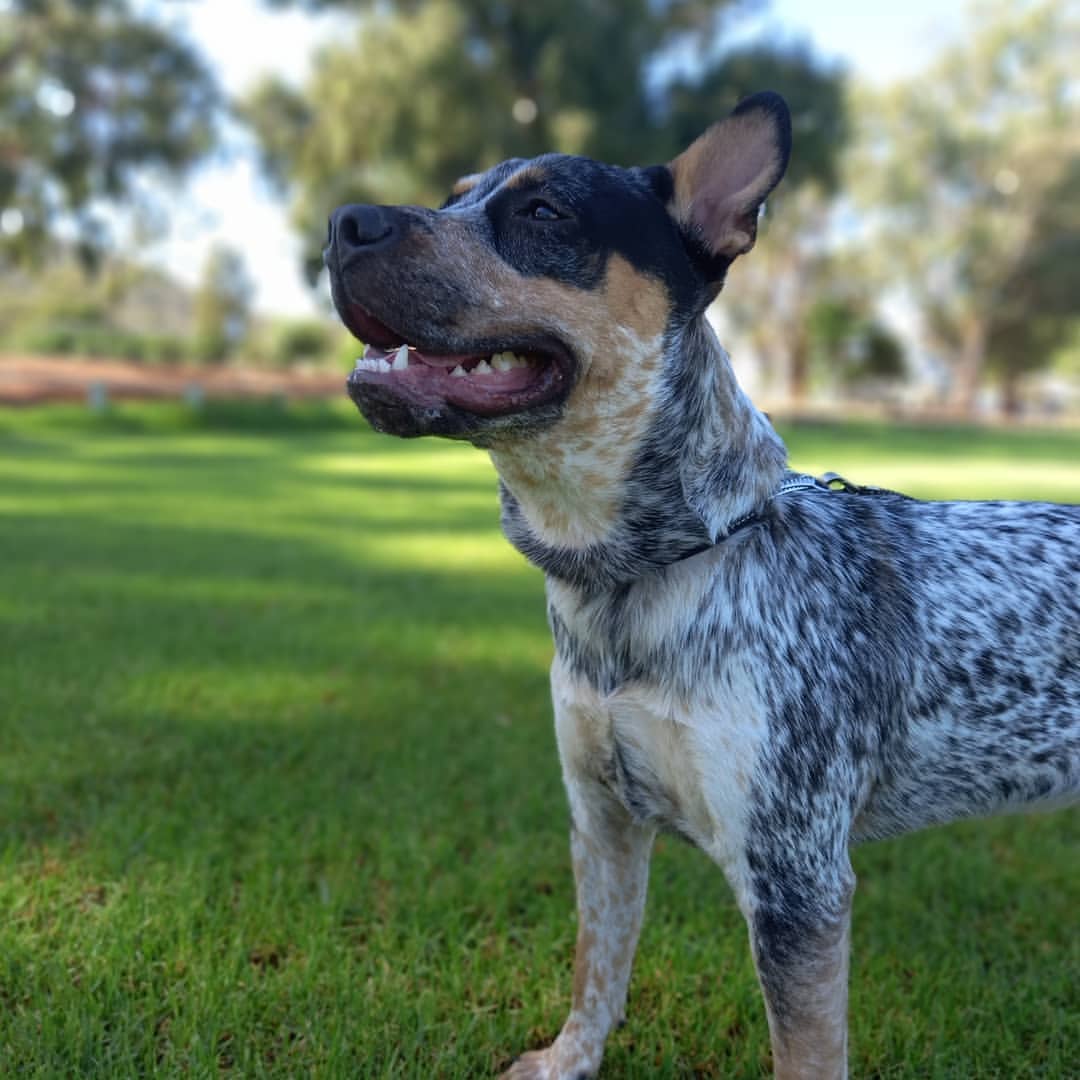
Keeping Your Australian Cattle Dog Happy: Exercise & Mental Stimulation Guide
The Australian Cattle Dog — known affectionately as the Blue Heeler, Red Heeler, or simply "ACD" — is a breed built for endurance, intelligence, and work. Developed in the harsh Australian outback to drive cattle across vast distances, these remarkable dogs carry that same tireless energy and sharp mind into family life.
If you're considering or already own an Australian Cattle Dog, understanding their exercise and mental stimulation needs is the key to a harmonious life together.
Understanding the ACD Energy Level
Let's be upfront: Australian Cattle Dogs are not a low-energy breed. On a scale of 1-10, their energy level sits firmly at a 9 or 10. They were bred to work all day in extreme conditions, and that drive doesn't disappear just because they live in a house now.
What happens when an ACD doesn't get enough exercise and stimulation?
- Destructive chewing (furniture, shoes, walls — yes, walls)
- Excessive barking or whining
- Nipping and herding behaviours directed at family members
- Anxiety and restlessness
- Escape attempts from yards and enclosures
The good news? A well-exercised Australian Cattle Dog is one of the most loyal, well-behaved, and rewarding companions you'll ever have.
Daily Exercise Requirements
Plan for 1.5 to 2 hours of exercise daily, split between physical activity and mental stimulation.
Morning Routine (45-60 minutes)
Start the day with vigorous exercise:
- Off-lead running in a secure area — ACDs need to really stretch their legs
- Fetch or frisbee — they have incredible drive and can go for ages
- Jogging or cycling together (once over 12-18 months)
- Swimming — many ACDs love water, and it's excellent low-impact exercise
Evening Routine (30-45 minutes)
Wind down with structured activity:
- Structured walk with obedience practice (heel work, stops, direction changes)
- Training session incorporating new tricks or commands
- Scent work — hide treats around the garden and let them search
- Tug games with rules (they must release on command)
Weekend Adventures
This is where ACDs truly shine:
- Hiking — the more challenging, the better. They're natural trail dogs
- Agility training — ACDs excel at this sport
- Herding trials — even if you don't have livestock, many facilities offer herding instinct tests
- Dock diving — a fantastic outlet for their athleticism
- Flyball — fast-paced and team-oriented, perfect for ACDs
Mental Stimulation: The Secret Ingredient
Physical exercise alone isn't enough for a breed this intelligent. An ACD's brain needs a workout too.
Puzzle Toys and Feeders
- Kong toys stuffed with frozen peanut butter and kibble
- Snuffle mats for mealtime enrichment
- Interactive puzzle boards — start easy and increase difficulty
- Treat-dispensing balls that require rolling and problem-solving
Training as Mental Exercise
ACDs are among the most trainable breeds in the world. Use this to your advantage:
- Learn a new trick weekly — they pick them up incredibly fast
- Practice obedience sequences — chain commands together for complexity
- Shape new behaviours using clicker training
- Teach names for toys — ACDs can learn to distinguish between dozens of named objects
Nose Work
This is one of the absolute best activities for ACDs:
- Start by hiding treats in easy locations and build complexity
- Graduate to hiding specific scented items
- Consider formal scent detection classes
- Set up "search missions" in the garden or house
Canine Sports
ACDs excel in virtually every dog sport:
- Agility — they're fast, agile, and love the challenge
- Obedience trials — their focus and trainability shine here
- Rally — a great stepping stone to formal obedience
- Herding — even suburban ACDs often have access to herding facilities
- Disc dog — their athletic ability makes them natural frisbee dogs
- Tracking — uses their nose and focus beautifully
Exercise by Life Stage
Puppy (8 weeks - 6 months)
- 5 minutes of structured exercise per month of age, twice daily
- Focus on socialisation and mental stimulation over physical exercise
- Avoid high-impact activities (jumping, long runs) — joints are still developing
- Play-based learning is your best tool
Adolescent (6 months - 2 years)
- Gradually increase exercise duration and intensity
- This is the most challenging period — they have adult energy but puppy impulse control
- Structured training is essential during this phase
- Introduce more complex activities and sports
Adult (2-7 years)
- Peak energy and athleticism
- Full exercise programme as described above
- This is the ideal time for competitive dog sports
- Monitor for signs of joint issues, especially if very active
Senior (7+ years)
- Reduce intensity but maintain regular exercise
- Swimming becomes even more valuable (easy on joints)
- Shorter, more frequent walks replace long hikes
- Increase mental stimulation to compensate for reduced physical activity
- Regular vet checks to monitor joint and heart health
Creating an ACD-Friendly Home
Garden Setup
- Secure fencing — at least 6 feet high. ACDs can jump and climb
- Dig pit — provide a designated area where digging is allowed
- Agility equipment — weave poles, jumps, and a tunnel provide daily enrichment
- Water feature — a paddling pool or sprinkler for hot days
Indoor Enrichment
- Rotating toy selection — put some away and swap weekly to maintain novelty
- Feeding stations — scatter kibble, use puzzles, freeze food in containers
- Training corner — a designated space for daily training sessions
The ACD-Owner Bond
Australian Cattle Dogs are famously "velcro dogs" — they bond intensely with their primary person. This is both their greatest strength and something to manage carefully:
- Don't encourage overdependence — teach them to be comfortable alone
- Include the whole family in training and activities
- Respect their need for proximity — they genuinely thrive when near their people
- Channel their loyalty into constructive activities like training and sport
Our Australian Cattle Dogs at Excell Pups
We breed Australian Cattle Dogs with an emphasis on:
- Balanced temperament — drive with an "off switch"
- Sound structure — built for the active life they'll lead
- BAER hearing testing — ensuring all puppies can hear
- Hip and elbow certification — for long-term joint health
- Early socialisation — our puppies meet people, dogs, and experience various environments from an early age
Every ACD puppy leaves us with a comprehensive exercise and enrichment guide, helping you channel their incredible energy from day one.
Ready to share your active lifestyle with an Australian Cattle Dog? [View our available puppies](#breeds) or [contact us](#contact) to learn more.